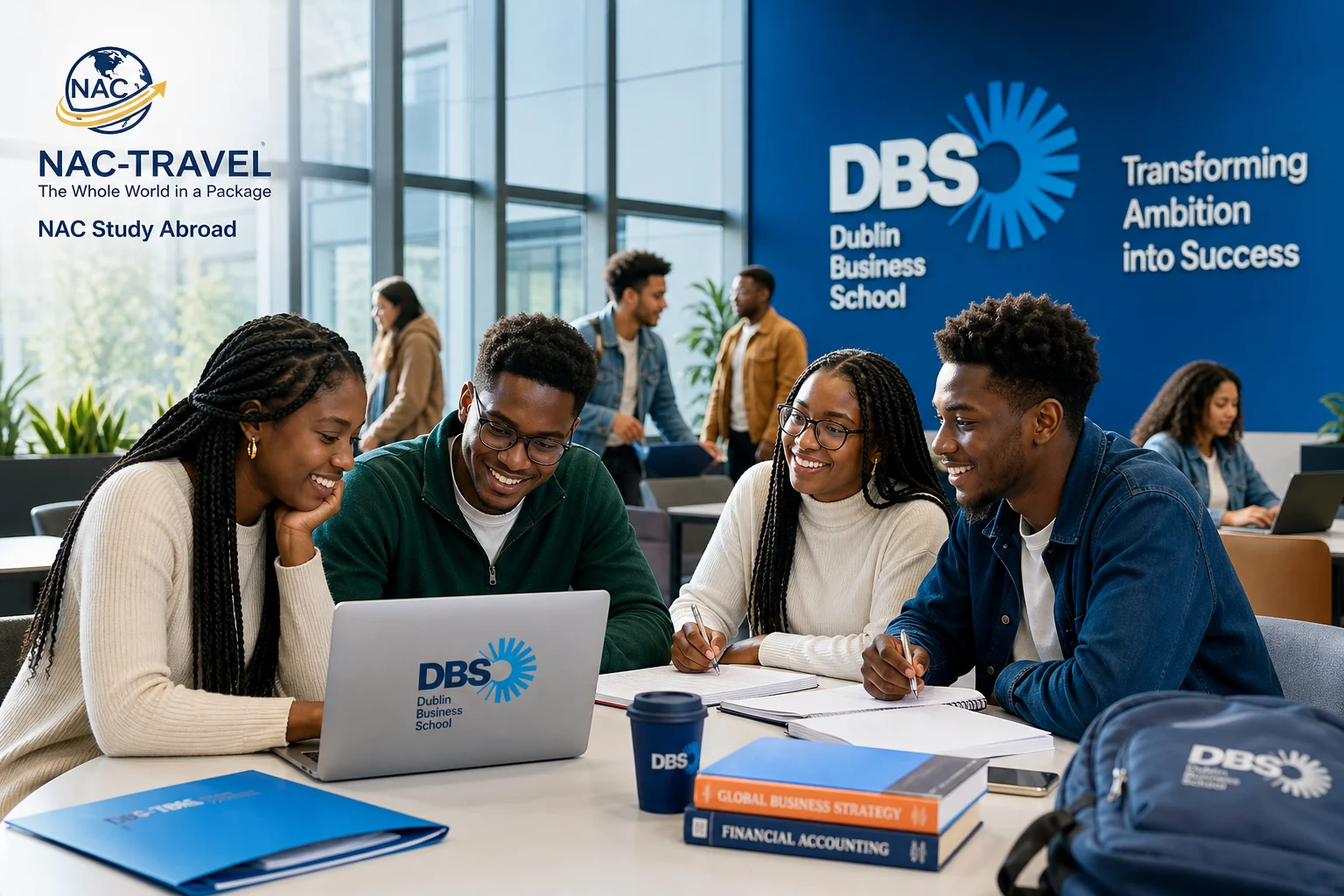

As the landscape of global education continues to evolve, Dublin Business School (DBS) stands out as a premier choice for African students looking to advance their academic and professional careers abroad. In 2026, prospective students must be well-prepared to navigate the application process, budget effectively, and ensure all documentation is in order. Below, we explore key considerations for African applicants.
What Changed in the Application Process?
In recent years, the application process for international students has seen significant changes, particularly in response to evolving global dynamics and the increasing demand for higher education. For 2026, DBS has streamlined its application procedures, making it essential for African students to stay informed about any new requirements and deadlines.
Application Updates for 2026
- Increased emphasis on online applications: Ensure you are familiar with the online portal.
- New supporting document requirements: Check the latest guidelines on required documentation.
- Potential changes in scholarship availability: Explore funding options available for international students.
What African Applicants Should Check
Before embarking on your journey to DBS, it is vital to conduct thorough research on the specific requirements and offerings. African students should consider the following:
Course Selection
DBS offers a variety of programs tailored to international students. Research which course aligns with your career goals and is taught in English.
Scholarships and Financial Aid
Investigate scholarship opportunities specifically available to African students. Many institutions offer financial aid that can ease the burden of tuition fees.
Visa Requirements
Understanding the visa application process is critical. Familiarize yourself with the necessary documents and timelines to avoid last-minute complications.
Document Readiness: What You Need to Prepare
Having the right documents ready is a crucial step in the application process. African students should ensure they have the following:
Essential Documents
- Academic transcripts from previous institutions
- Proof of English proficiency (e.g., IELTS, TOEFL)
- Personal statement detailing your motivations and goals
- Letters of recommendation from educators or employers
- Passport copies and recent photographs
Financial Documentation
Be prepared to provide evidence of sufficient funds to support your studies and living expenses in Ireland. This may include bank statements or sponsorship letters.
Timing Risks: Planning Ahead
Timing is everything when it comes to studying abroad. To mitigate risks, African students should adhere to the following timelines:
Application Timeline
- Start your application process at least six months before your intended start date.
- Submit all documents promptly to avoid delays in processing.
Visa Application Timeline
Once you receive your acceptance letter, promptly begin your visa application to allow for any unforeseen delays.
NAC Advisory Support: Your Partner in Planning
NAC Travel is committed to providing advisory support throughout your study abroad journey. Our experienced consultants can assist with:
- Guidance on application processes
- Document preparation and review
- Visa application support
While we provide comprehensive advisory services, it is important to note that all visa and admission outcomes remain subject to the discretion of relevant authorities and third parties.
Conclusion: Preparing for Your Future
As you consider your study options at Dublin Business School, remember that thorough preparation is key. By understanding the application process, budgeting wisely, and ensuring your documents are ready, you can enhance your chances of a successful study experience in Ireland. With NAC Travel by your side, you can navigate this journey with confidence.
Questions students should ask before applying
Before a student reacts to an exciting headline, they should slow down and test whether the pathway is practical. The best decision is usually the one supported by evidence, timing discipline and a clear understanding of the rules.
- Is this route open to African applicants?
- Does the student meet academic, financial and language requirements?
- Is there enough time to prepare documents and visa-related evidence properly?
How African applicants can use this information
For African students and sponsors, the practical value is not only the headline itself. The stronger move is to compare eligibility, tuition exposure, living costs, proof-of-funds expectations, intake dates and document readiness before choosing a destination.
- Confirm whether the opportunity is open to your nationality and academic background.
- Check the study route, likely visa documentation and timing pressure before paying third parties.
- Compare the topic with NAC-supported study routes and partner pathways where available.